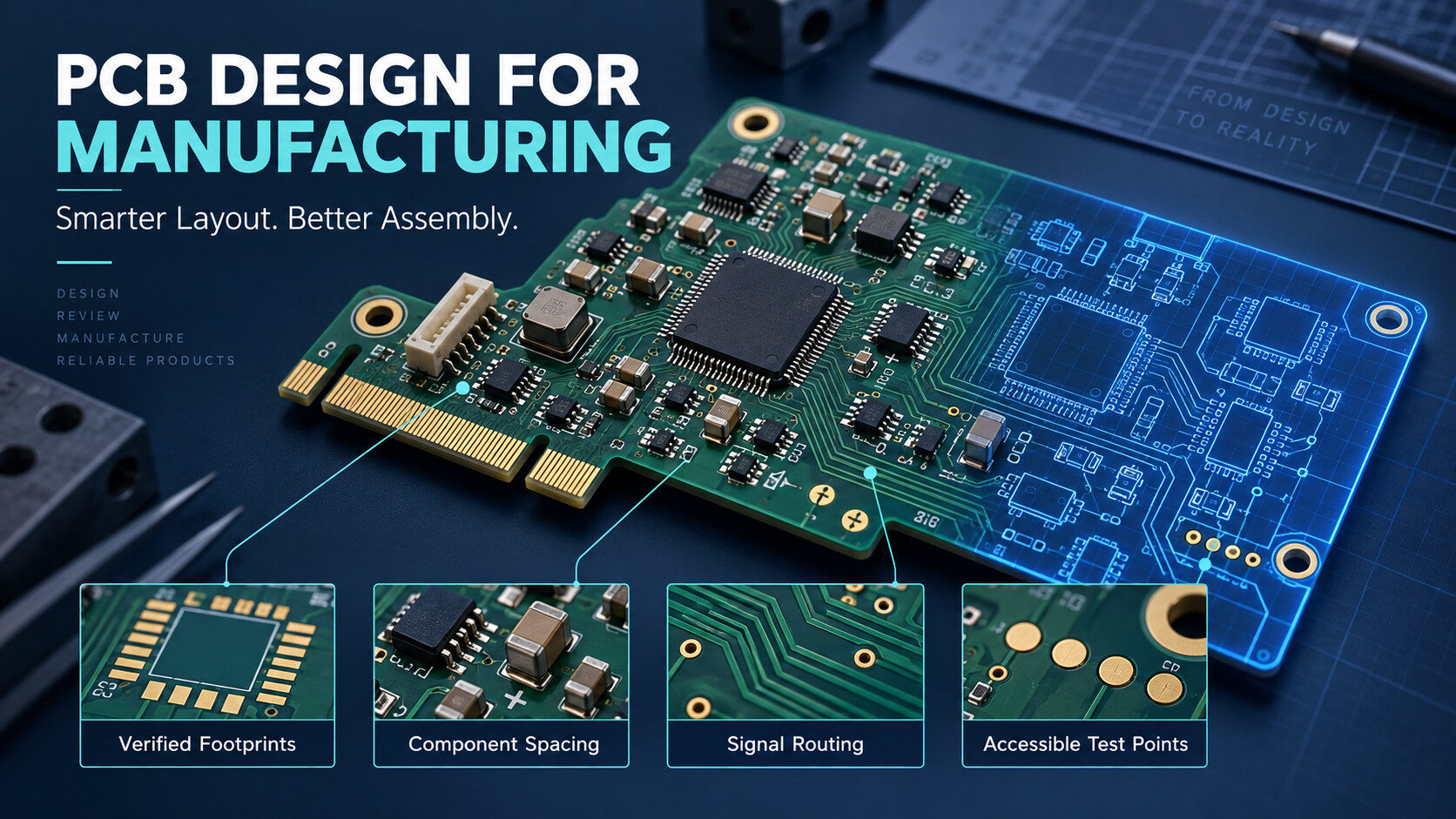
PCB Design for Manufacturing: Practical Decisions That Improve Assembly
PCB design is both an electrical task and a manufacturing task. A board must connect

PCB design is both an electrical task and a manufacturing task. A board must connect
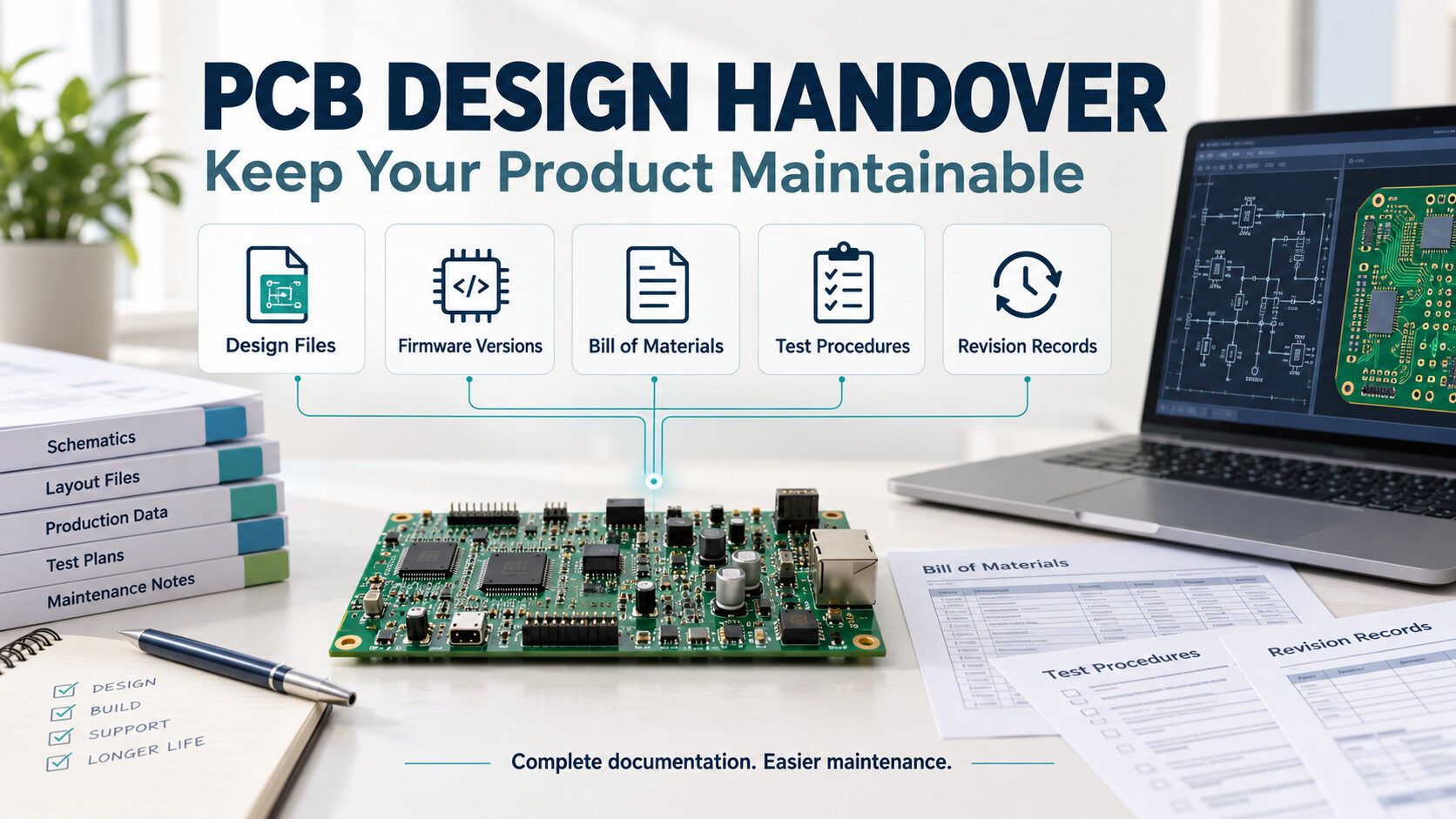
A finished PCB is a physical product. The information needed to reproduce, modify, and maintain
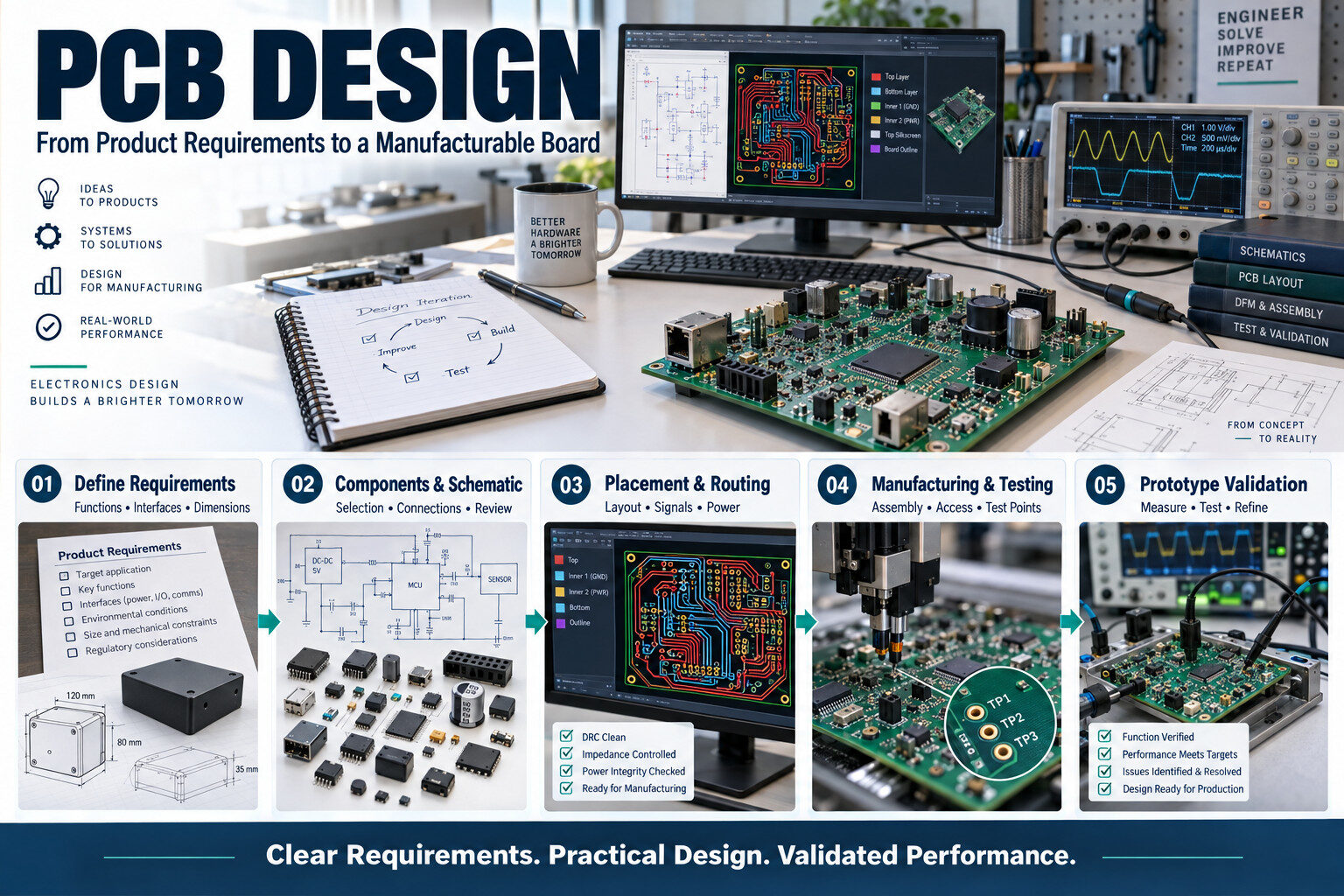
PCB design begins before the first trace is drawn. A useful design must translate product
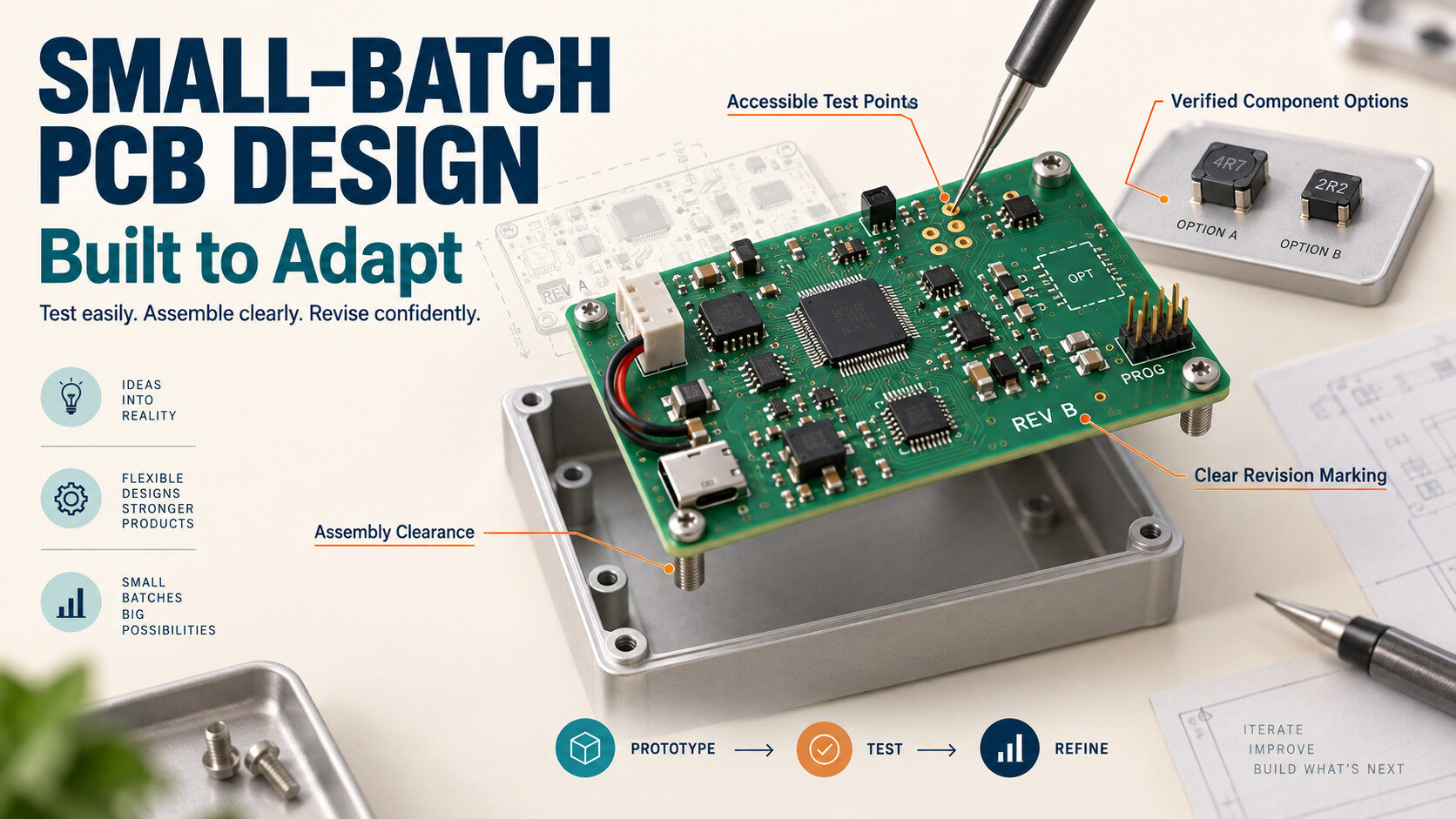
Small-batch electronic products face a distinctive challenge: the design must work today while remaining practical
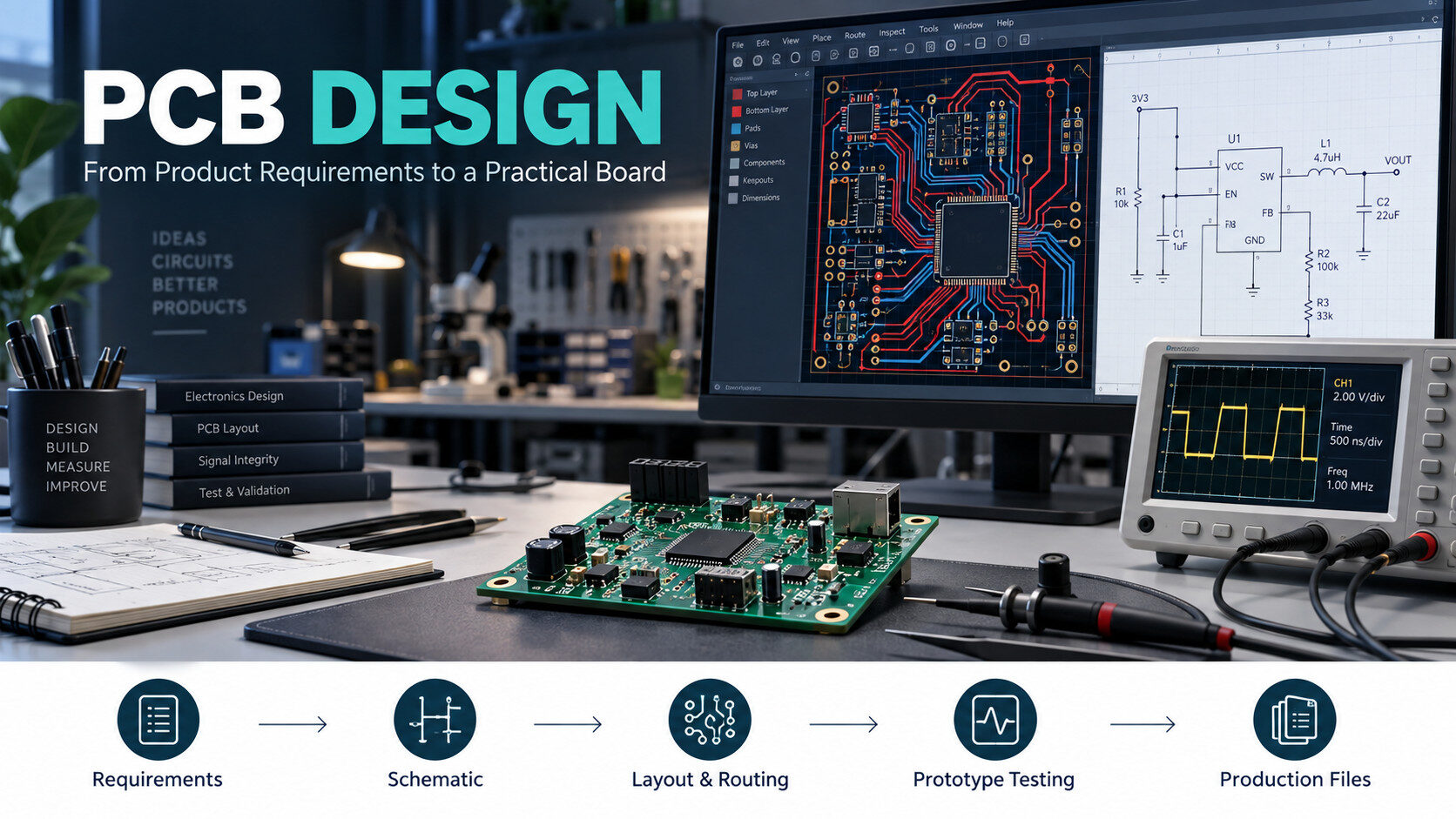
PCB design connects a product idea with a physical electronic system. A successful design must
STM32 Firmware Recovery: Complete Guide to RDP Levels and Extraction Methods Introduction: STM32 and the
MCU Firmware Recovery Service: Professional Firmware Extraction from 50+ Microcontroller Families Introduction: The Software Brain
Heavy copper PCB current capacity refers to how much electrical current a printed circuit board
Ceramic PCB uses aluminum nitride (AlN), aluminum oxide (Al2O3), or silicon nitride (Si3N4) substrates with