
Quick answer: PCB and PCBA first article inspection is a documented review of initial manufactured boards against the released design and agreed acceptance criteria. It should confirm the correct bare board, components, assembly orientation, solder workmanship, firmware, and required test results before a larger build is released. The scope and approval gate must be agreed before production starts.
For global engineering and purchasing teams, first article approval is most useful when it turns “the sample looks good” into measurable evidence. This guide provides a practical checklist for new PCB and PCBA projects, repeat orders with changes, and prototype-to-production handovers.
What is first article inspection for PCB and PCBA?
A PCB is the bare printed circuit board. A PCBA is the board after components have been mounted and soldered. First article inspection (FAI) compares initial output from the intended manufacturing process with the approved requirements. The reviewed quantity, inspection methods, records, and release authority depend on the project.
A working prototype and an approved production first article serve different purposes. A prototype helps evaluate the design. A first article review checks that the released manufacturing package has been interpreted and implemented correctly. Neither automatically proves long-term reliability or qualifies a product for every market.
PCB vs PCBA: what should the review cover?
| Review area | What to check | Useful evidence |
|---|---|---|
| Bare PCB | Revision, dimensions, holes, stack-up, finish, and specified electrical requirements | Fabrication drawing, measurement results, and agreed board test records |
| Components | Part identity, approved alternatives, fitted and omitted positions | Released BOM, sourcing records, and placement review |
| Assembly | Polarity, orientation, connector position, soldering, and mechanical fit | Inspection images and results against agreed criteria |
| Firmware and function | Program version, configuration, and required operating behavior | Programming record and test report with limits and measured results |
| Release control | Open issues, deviations, disposition, and approval | Signed or otherwise controlled approval record |
Before the build: freeze one release package
Use a single identified revision for fabrication data, BOM, placement coordinates, assembly drawings, firmware, and test instructions. Define which documents take precedence if they conflict. Resolve questions such as rotation conventions, connector pin numbering, and do-not-populate positions before the line begins.
- Identify the board part number and hardware revision.
- List approved manufacturer part numbers and alternatives.
- Specify material, stack-up, finish, dimensions, and critical tolerances.
- Provide assembly notes, polarity marks, and special handling requirements.
- Define the test method, equipment or fixture, limits, and required reports.
- Name the customer and manufacturer contacts who can approve changes.
Our PCB design handover guide explains how to keep the release information reproducible. For terminology and service scope, see PCB vs PCBA: from bare board to tested assembly.
A practical PCB and PCBA first article checklist
1. Verify the bare PCB before adding components
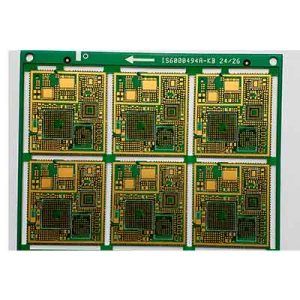
Compare the board identification, outline, hole positions, thickness, and relevant fabrication details with the drawing. Review the agreed evidence for board construction and electrical testing. Where controlled impedance or other special features are required, identify the measurement method and limits in advance.
Some internal construction details cannot be confirmed from a top-side photograph. Request appropriate manufacturing records or agreed verification methods rather than treating appearance as proof of stack-up or material.
2. Reconcile the fitted components with the BOM
Check that fitted positions match the released BOM and that omitted positions remain unpopulated. Verify critical part identity using suitable records and markings. Pay particular attention to parts that can appear similar but differ in voltage rating, tolerance, package, temperature range, or firmware compatibility.
Record approved substitutions explicitly. If a part differs from the approved BOM, hold the affected release until the responsible engineer has reviewed it.
3. Check polarity, orientation, and mechanical fit
Review pin 1, polarized components, connector orientation, board side, and component height against the assembly drawing. Check access for cables, enclosure features, fasteners, and test fixtures where relevant. A connector can be soldered correctly and still be installed in the wrong direction.
Clear design information helps prevent these problems. See our PCB design for manufacturing guide for assembly-related layout decisions.
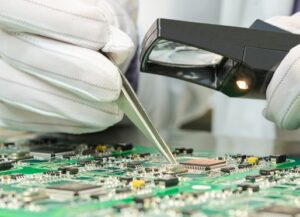
4. Review soldering and inspection coverage
Use the agreed workmanship requirements and identify the coverage of each inspection method. Automated optical inspection (AOI) assesses visible features; X-ray inspection can help evaluate hidden joints. Equipment, programming, package geometry, and acceptance criteria affect what each method can establish.
IPC-A-600 concerns printed-board acceptability, while IPC-A-610 concerns electronic-assembly acceptability. IPC J-STD-001 addresses requirements for soldered electrical and electronic assemblies. Agree the applicable revision, product class, and any customer-specific requirements. These references do not establish a supplier’s certification or replace product-specific functional tests. Sources: IPC standards overview and IPC document reference table.
5. Verify firmware and configuration
Record the released firmware identifier and, when available, a file checksum. Confirm the programming method, device configuration, calibration data, and serial-number rules where required. Define how programming success is verified and how the programmed unit is linked to its test record.
Hardware approval should not silently include a different firmware build. Keep the approved software and hardware configuration together in the release record.
6. Test defined functions against measurable limits
Specify the input conditions, loads, connections, test sequence, and pass/fail limits. Relevant checks may include supply current, communication interfaces, sensor inputs, output operation, or reset behavior. Select them from the product requirements rather than copying a generic checklist.
Example: For a controller board, “powers on” is an incomplete acceptance statement. A more useful test specification identifies the permitted supply range, current limits, communication transactions, and output response under a defined load. The engineering team must set the actual values for that design.
7. Close issues and approve the next stage
List every nonconformance, proposed correction, and approved deviation. Identify whether the issue affects the reviewed unit, remaining work in progress, purchased material, or the next production lot. Define what must be rechecked after repair or a design change.
Make the release decision explicit: approved, approved with documented conditions, or held pending corrective action. Agree whether assembly pauses after the initial units while approval is pending; this prevents a review gate from becoming a report issued after the full batch is already finished.
What should a first article inspection report contain?
- Board part number, revision, build quantity, lot identification, and reviewed units.
- The release documents, BOM revision, and firmware identifier used.
- Inspection characteristics, acceptance limits, measured results, and disposition.
- Images or records needed to explain critical features and findings.
- Inspection and test methods, relevant equipment or fixture identification, and procedure revision.
- Substitutions, deviations, repairs, retest results, and unresolved issues.
- The approval decision, responsible people, date, and conditions for the next build.
For international projects, agree the report language, units, time zone, and document location. Send consolidated questions and record approvals in writing so both engineering and purchasing teams work from the same decision.
When should a first article review be repeated?
Review the need after a hardware revision, critical component change, manufacturing transfer, tooling change, or meaningful process change. A repeat review can focus on the changed characteristics and any affected functions, provided the scope is justified and agreed. A long production interruption may also justify a renewed readiness review.
A first article approval does not replace ongoing lot inspection, process monitoring, or the production test plan. Continue the agreed controls for the remaining units.
Frequently asked questions
Is first article inspection the same as functional testing?
No. First article inspection reviews conformity to the released manufacturing requirements. Functional testing checks specified behavior. A useful approval package includes both when the project requires them.
Can AOI alone approve a PCBA for production?
AOI can provide evidence about visible assembly features. It does not establish firmware correctness, every hidden joint condition, or complete product operation. Define additional inspection and testing according to project risks.
How many boards should be inspected?
There is no universal quantity for every PCB and PCBA project. Agree the reviewed quantity and coverage based on complexity, process variation, contractual requirements, and the release decision.
Does an approved first article guarantee all later boards?
No. It confirms the reviewed output within the agreed scope. Production consistency requires continued process controls, inspection, testing, and change management.
What should a buyer send before requesting first article approval?
Send the released PCB files, BOM, placement data, assembly drawings, firmware when needed, and test requirements. Also specify the report content, approval contacts, and whether production must pause for approval.
Plan your PCB and PCBA build with Huang Te
Shanghai Huangte Technology Co., Ltd. (Huang Te PCB / Ctrlcpcb), based in Shanghai, China, presents one-stop services covering PCB design, fabrication, component sourcing, assembly, and testing for global customers. Explore our PCB and PCBA manufacturing services and discuss the stages your project needs.
Contact Huang Te with your released files, quantity, delivery destination, and first article requirements. Ask the engineering team to confirm project capability, review scope, test coverage, approval timing, and quotation before the build begins.