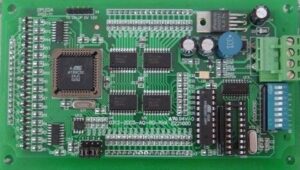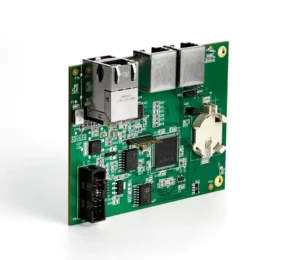
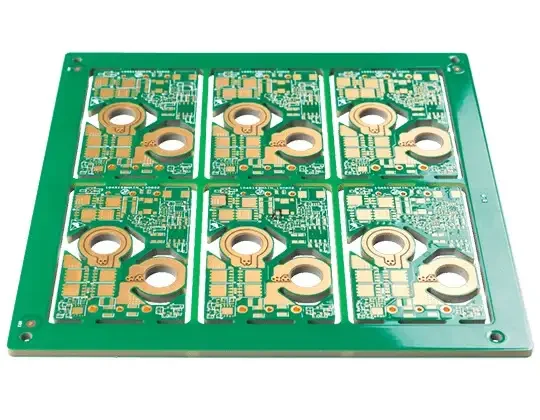
PCBA stands for Printed Circuit Board Assembly. It refers to a PCB after electronic components have been installed and soldered onto it.
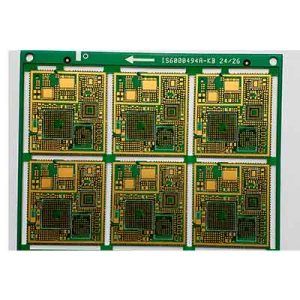
A PCB is only the bare circuit board. It contains copper tracks, pads, and holes but cannot perform complete electronic functions by itself. When chips, resistors, capacitors, connectors, and other components are added, it becomes a PCBA.
PCBA can be found in almost every electronic product, including smartphones, home appliances, medical devices, industrial equipment, cars, and communication systems.
The main function of a PCBA is to connect electronic components, transmit power and signals, process information, and control the operation of a device.
The typical PCBA manufacturing process includes solder paste printing, component placement, reflow soldering, inspection, and functional testing.
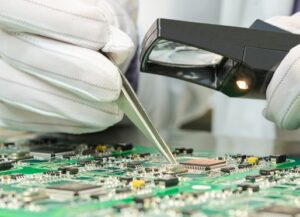
During production, manufacturers may use AOI, X-ray inspection, and electrical testing to detect problems such as missing components, poor solder joints, short circuits, and incorrect component placement.
Although a PCBA may look like a simple circuit board, it is actually the core control system of many electronic products. Its design and manufacturing quality directly affect product performance, stability, and service life.