Anonymised application example
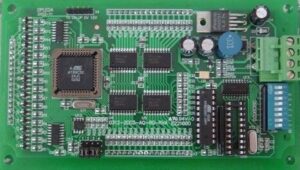
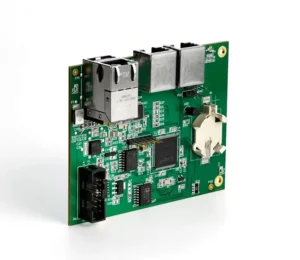
An imported PCB used in research equipment could no longer be used. The customer supplied the physical board to Huangte for design recovery. The work combined non-destructive recovery of circuit drawings with prototyping, testing and revision. The equipment was ultimately returned to operation.
From Physical Sample to Recovered Design
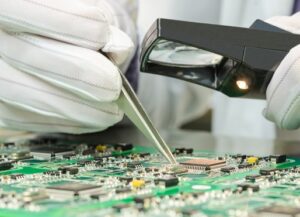
The existing board provided a reference for recovering the circuit documentation. Non-destructive design recovery helped move the work from a physical sample toward information that could support a replacement build. This stage needs a clear understanding of the board’s functions and the condition of the sample.
For a similar project, agree which drawings and files are required before work begins. A readable schematic, manufacturing files and component information serve different purposes; the required outputs and file formats should be defined for the individual board. Do not assume that every project has the same deliverables.
Testing Connects the Board to the Equipment
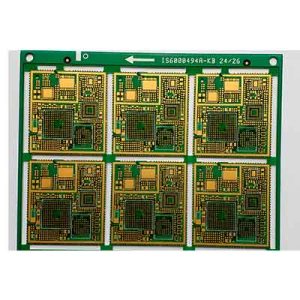
Producing a prototype was one stage of the recovery process. Testing and iteration were needed to investigate issues, revise the recovered design and check the changes. The outcome was assessed through operation of the research equipment, rather than treating completion of a drawing as proof that the hardware worked.
Customers planning comparable work should explain the equipment’s operating conditions, expected board functions, connections and available test environment. Describe how the replacement will be evaluated, who can support equipment testing and what acceptance criteria apply. These details help connect design recovery with a practical validation plan.
Plan Your Recovery Project
Review Huangte’s PCB reverse engineering services, PCB copy and design recovery services and deliverables guide. Discuss your sample and testing requirements before arranging shipment or agreeing the recovery scope.