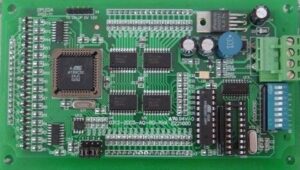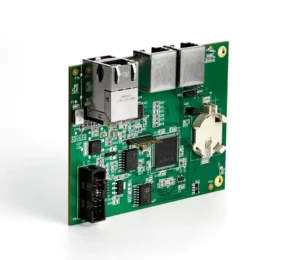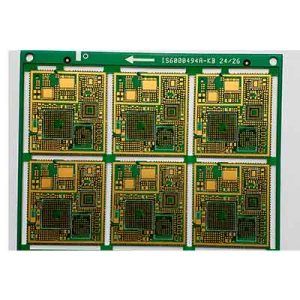
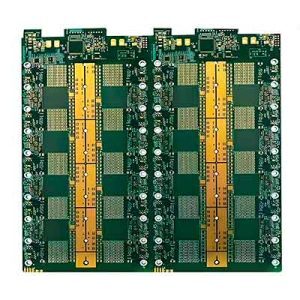
PCBA, short for Printed Circuit Board Assembly, is one of the most important steps in turning an electronic design into a real working product. A bare PCB only provides the electrical connections. After components such as ICs, resistors, capacitors, connectors, sensors, and modules are soldered onto the board, it becomes a PCBA.
In simple terms, PCB is the “skeleton,” while PCBA is the “working body” of an electronic product.
A complete PCBA process usually includes PCB fabrication, component sourcing, SMT assembly, DIP soldering, inspection, testing, and final assembly. Each step affects the quality, stability, and reliability of the final product.
For example, during SMT assembly, small components are placed onto the PCB by high-speed machines. After that, the board goes through reflow soldering, where the solder paste melts and forms solid electrical connections. For larger or special components, DIP insertion and wave soldering may also be required.
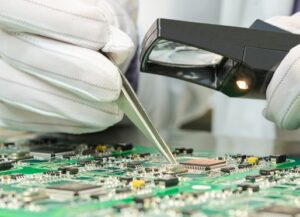
Quality control is a key part of PCBA manufacturing. SPI is used to check solder paste printing, AOI is used to inspect component placement and soldering quality, and X-ray inspection is often used for hidden solder joints such as BGA packages. For industrial, medical, automotive, and communication products, functional testing is also very important before delivery.
A reliable PCBA manufacturer does more than just assemble boards. They should also help customers review BOMs, check component availability, optimize manufacturing processes, reduce production risks, and solve technical problems during prototype and mass production.
In real projects, many problems do not come from the circuit design itself, but from details such as wrong component selection, poor soldering, unstable power supply, missing test points, improper PCB surface finish, or weak quality control. That is why choosing an experienced PCBA partner is very important.
PCBA is not just about putting components on a board. It is about making sure the product can work stably, be produced efficiently, and survive real application environments.
From prototype to mass production, a good PCBA process can save time, reduce cost, and improve product reliability. For companies developing electronic products, PCBA is not only a manufacturing step, but also a key factor that determines whether the product can successfully enter the market.