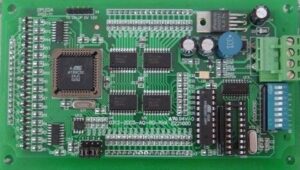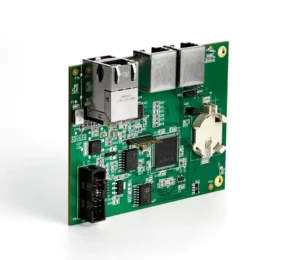
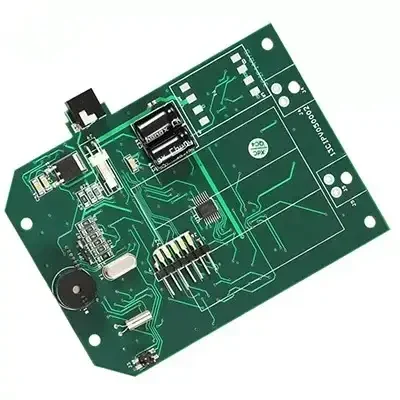
PCBA is an important step in turning an electronic product from design into a finished product. When choosing a PCBA manufacturer, you should not only look at the price. More importantly, you need to check whether the manufacturer has stable production capability, process capability, delivery capability, and after-sales support.
First, check whether they provide one-stop service. A reliable PCBA manufacturer can usually handle PCB fabrication, component sourcing, SMT assembly, DIP insertion, testing, and final assembly. This saves customers from dealing with multiple suppliers, improves communication efficiency, and makes the whole project easier to manage.
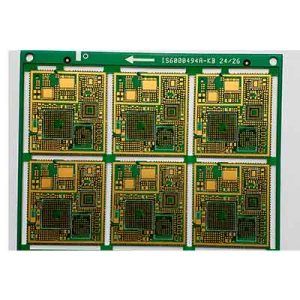
Second, look at their process capability. Different products have different PCB requirements, such as layer count, material, impedance control, surface finish, and soldering reliability. If the manufacturer can support multilayer PCBs, HDI boards, blind and buried vias, high-frequency and high-speed boards, as well as ENIG, HASL, OSP, and other surface finishes, it means they have stronger project adaptability.
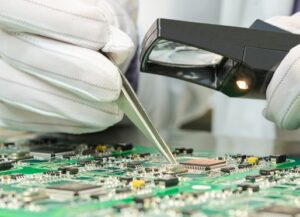
Third, pay attention to delivery time and quality control. A low price does not always mean a lower total cost. If delivery is delayed, soldering defects occur, or rework happens frequently, the hidden costs may become even higher. So it is important to check whether the manufacturer supports fast prototyping, small-batch trial production, stable mass production, and whether they have inspection processes such as AOI, SPI, flying probe testing, and functional testing.
Fourth, check their certifications and service support. PCBA is not just about soldering components onto a board. It also involves material consistency, soldering quality, and long-term product stability. Whether the manufacturer has relevant certifications, engineering support, and responsive after-sales service will directly affect how smooth the cooperation will be later.
In summary, when choosing a PCBA manufacturer, don’t focus only on the quotation. A truly reliable partner should have comprehensive capabilities in PCB fabrication, SMT assembly, component sourcing, inspection, delivery, and service. This helps reduce communication costs, improve delivery efficiency, and build a solid foundation for future mass production.