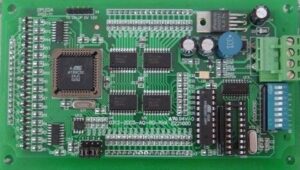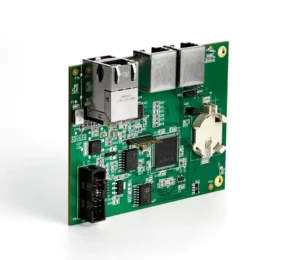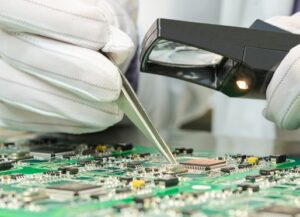
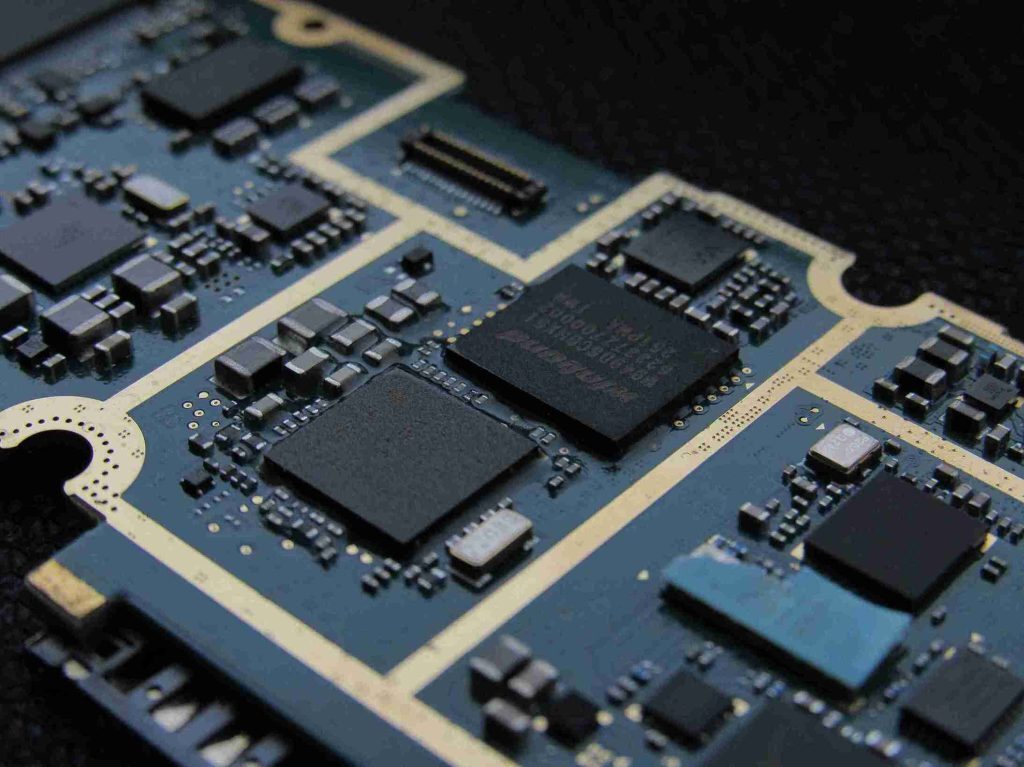
Many customers ask the same question: If the program inside the chip has already been read out, does that mean we can directly modify its functions?
Actually, no.
Chip decryption simply means reading out the existing program data inside the chip. This data is usually a HEX or BIN file that can be recognized by the machine. It can be used to program the same model of chip and make it run again, but it is not the same as the original source code.
Source code contains variable names, function names, comments, and complete logic structures. Engineers can read it, understand it, and modify it.
But the decrypted program file is usually just machine instructions and data. What you get is the final running result, not the original development process.
It is like getting a cooked dish. You may be able to taste some of the ingredients, but you may not know exactly how the chef cooked it, when each ingredient was added, or how the heat was controlled.
Some customers say: “I only changed a few bytes. Why can’t the program run anymore?”
The reason is simple. Many pieces of data inside a program are not independent. They may be related to checksum verification, address jumps, communication protocols, parameter areas, or encryption logic.
If you randomly change one byte, the program may fail verification, the chip may not start, the device may lose communication, or the whole machine may stop working.
The BIN file obtained from chip decryption is more suitable for repair backup, same-chip replacement, old equipment recovery, and batch maintenance. It is not engineering source code that can be directly modified.
If you really need to modify functions, engineers usually need to analyze the hardware circuit, disassemble the program logic, confirm the communication protocol, and then judge whether there is room for modification.
For more complex projects, the program may need to be redeveloped and tested again on the complete machine.
So whether a chip can be decrypted is one thing. Whether the program can be modified after decryption is another.
If your device has a damaged chip, lost program, or discontinued repair support, chip decryption can help with backup and recovery.
But if you want to add new functions, change logic, or modify communication methods, it needs to be evaluated as a secondary development project.
That is why whenever we receive a chip decryption project, we always ask the customer first:
Do you need program backup, or do you need function modification?
Different goals require completely different solutions.