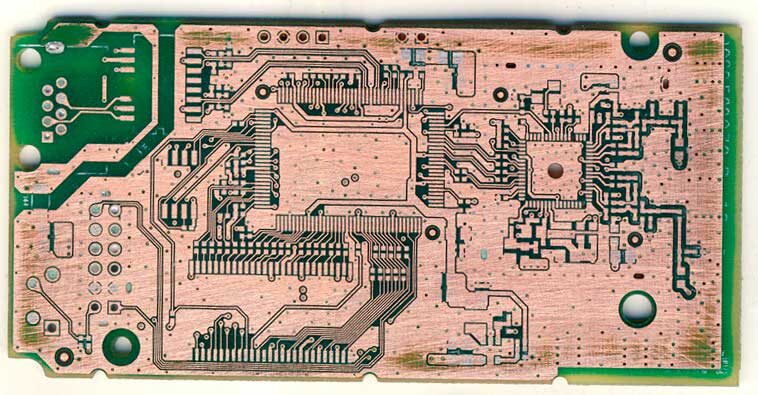
Why More Customers Choose One-Stop Service from PCB Prototyping to Finished Product Delivery
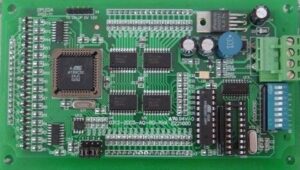
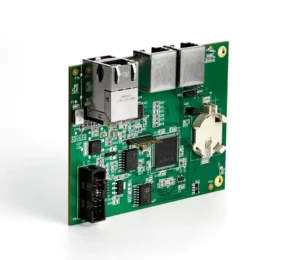
In electronics manufacturing, turning a product design into a real product requires many steps. PCB prototyping is only the beginning. Component sourcing, SMT assembly, DIP soldering, firmware programming, functional testing, final assembly, packaging, and delivery all affect the final product quality.
In the past, many customers worked with separate suppliers for PCB manufacturing, assembly, component sourcing, and testing. This approach may look flexible, but in actual project execution, it often leads to communication problems, unclear responsibility, and delayed delivery.
That is why more customers are choosing one-stop PCB and PCBA services. For prototype verification, small-batch production, equipment repair, industrial control boards, and customized electronic products, one-stop delivery can save time and reduce project risk.
1. Start with File Review and Find Problems Early
For a PCBA project, the files provided at the beginning are very important.
Customers usually provide Gerber files, BOM lists, pick-and-place files, schematics, sample boards, or function descriptions. After receiving these materials, we first conduct an engineering review instead of starting production immediately.
In real projects, many problems do not come from production equipment, but from the files themselves.
For example, BOM information may be incomplete. Component footprints may not match the PCB pads. Polarity marks may be unclear. The pick-and-place file may have an offset. Some components may be discontinued or have a long lead time. If these problems are not solved in advance, they may cause placement errors, soldering issues, test failures, or delivery delays.
With years of experience in PCB and PCBA manufacturing, we have seen many similar cases. That is why we pay close attention to file review before production. Finding problems early is always more valuable than reworking products after production.
2. PCB Prototyping Is the Foundation, Assembly Is the Key
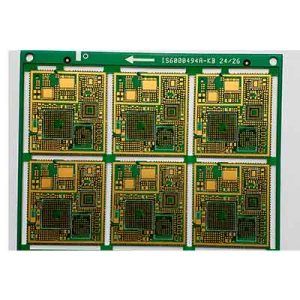
PCB prototyping mainly solves the problems of the circuit board itself, including layer count, material, copper thickness, surface finish, impedance requirements, hole size, and board outline.
However, a good bare PCB does not guarantee a stable final product. To become a usable product, it must go through assembly and functional verification.
SMT assembly requires control of solder paste printing, component placement, reflow soldering, and AOI inspection. For high-density PCBA boards, any small process issue may cause cold solder joints, component shifting, tombstoning, or solder bridges.
DIP soldering and manual soldering are also important. Many industrial products, power products, and equipment control boards include through-hole components, high-power components, connectors, and cable interfaces. These positions often carry higher current or mechanical stress, so soldering quality directly affects product life.
Through long-term order delivery, we have learned one important lesson:
PCBA manufacturing is not only about placing components on the board.
It is about making sure the product is stable and reliable in real use.
3. Testing Is Not a Formality, But the Final Check Before Delivery
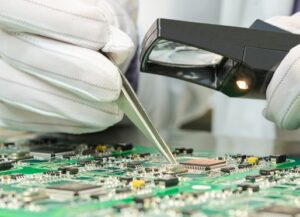
Some products may look fine from the outside, but problems only appear after power-on testing. Therefore, testing is an important step before PCBA finished product delivery.
Depending on the project, we can support power-on testing, functional testing, firmware programming, communication testing, interface testing, button testing, display testing, and other test items. If the customer provides test fixtures and test standards, we will follow the requirements. If the project is still in the prototype stage, we can also help the customer confirm the testing process.
The purpose of testing is not to add unnecessary procedures. It is to solve problems inside the factory as much as possible, instead of letting customers discover them later.
For orders requiring finished product delivery, we can also complete enclosure assembly, cable connection, label application, and packaging. This allows customers to move more quickly to the next stage of verification, sales, installation, or use.
4. One-Stop Service Makes Order Delivery Smoother
The biggest value of one-stop service is not only convenience. It makes the entire project process more controllable.
If customers work with several different suppliers, responsibility can become unclear when problems occur. The PCB factory may say it is an assembly issue. The assembly factory may say it is a component issue. The component supplier may say it is a design issue. In the end, the customer has to coordinate everything alone.
One-stop service brings PCB manufacturing, component sourcing, assembly, testing, and product integration together. The project is followed by one team, communication is more direct, and problems can be handled faster.
For customers, this service model reduces unnecessary time costs. It is especially useful for projects with tight schedules, incomplete files, urgent verification needs, or future batch production plans.
5. Years of Industry Experience and a Brand Built on Delivery
We have been deeply involved in the PCB and PCBA field for many years. The growth of our brand does not come from short-term promotion, but from long-term stable order delivery.
Over the years, we have handled many different types of projects. Some customers only need a few prototypes for testing. Some need small-batch trial production. Others need complete delivery from PCB prototyping to final product assembly. Every project is different, but our principle remains the same: understand the requirements first, then execute the process carefully.
The longer we work in this industry, the more we understand what customers truly care about.
Customers do not only want to hear “yes, we can do it.”
They care about whether delivery time can be controlled, whether quality is stable, whether testing can pass, and whether future batch production is reliable.
That is why we do not position ourselves as only a processing factory. We hope to be an engineering support partner for customers during project implementation. Whether it is PCB prototyping, PCBA assembly, or finished product delivery, we use a stable process to help customers turn their ideas into real products step by step.
From PCB prototyping to PCBA assembly, testing, product assembly, and final delivery, every step tests a factory’s engineering capability, process management, and sense of responsibility.
For customers, choosing a one-stop PCB and PCBA service can reduce communication costs, improve delivery efficiency, and help identify and solve project risks earlier.
If you are looking for PCB prototyping, SMT assembly, DIP soldering, PCBA testing, or finished product delivery services, you are welcome to send us your project files. We will provide a complete solution from file review to final delivery, helping your product move forward more efficiently and reliably.